

Glowing, healthy skin no longer requires expensive spa appointments or hour‑long routines. In 2026, at‑home skincare tools are powerful, compact, and designed to fit into busy lives without sacrificing results. A focused 10‑minute routine can help working professionals, parents, and students see real improvements in texture, tone, and radiance from home.
This guide walks you through why these tools matter, how to choose them, and the best at‑home skincare tools on Amazon to build a simple, effective daily routine, plus how they fit into your overall beauty routine on MeghaMehta.com.
Why You Need At‑Home Skincare Tools
At‑home skincare tools save both time and money compared to frequent salon or clinic visits. Instead of booking appointments weeks in advance, you can get spa‑style cleansing, lifting, and brightening in minutes from your bathroom or bedroom.
These tools also help your existing skincare products work better. Devices like sonic cleansers, microcurrent tools, and steamers improve circulation and product absorption, so your serums and moisturizers penetrate more deeply instead of just sitting on the surface.
Beyond convenience, they allow you to target specific concerns:
- Acne and breakouts
- Fine lines and early sagging
- Puffiness and fluid retention
- Dullness and rough texture
How to Choose the Right At‑Home Skincare Tools
Before buying tools, think about your skin and lifestyle so you invest wisely, not impulsively.-
Skin type and concerns
Identify whether your skin is sensitive, acne-prone, dry, oily, combination, or mature. For example, acne-prone skin may benefit more from LED and gentle cleansing, while mature skin often responds well to microcurrent and massage. -
Technology and intensity
Look at how each tool works: sonic vibration, LED wavelengths (red, blue, or mixed), microcurrent strength, or blade sharpness (for dermaplaning). Start with lower intensities and build up as your skin tolerates. -
Safety and certifications
Prefer dermatologist-tested, FDA-cleared (where applicable) tools made of high-quality, skin-safe materials like medical-grade silicone or stainless steel. Avoid harsh, unverified devices on sensitive or compromised skin. -
Ease of use and maintenance
A tool is only useful if you actually use it. Choose devices that are comfortable to hold, easy to control, simple to clean, and don’t require complicated setups. -
Time efficiency
Make sure each tool can deliver benefits within a realistic 10-minute window. Look for preset timers, quick cycles (60–90 seconds), and simple routines. -
Budget vs value
Prioritize multi-functional tools (like a powerful LED mask or microcurrent device) that replace multiple single-use gadgets and deliver more value per rupee or dollar.
The Best At‑Home Skincare Tools for a 10‑Minute Routine (2026)
Below are some of the best tool types to build your 2026 at‑home routine. You can link each heading to your provided Amazon affiliate URLs.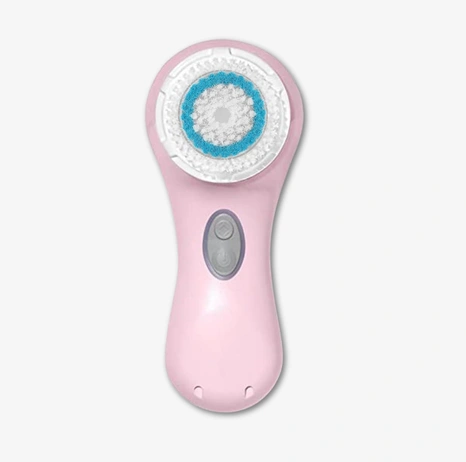
Sonic Facial Cleansing Brush
Read More
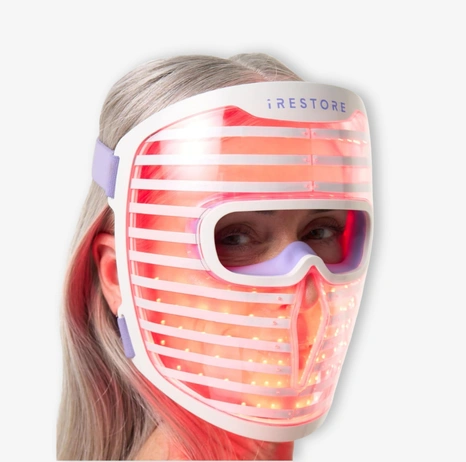
LED Light Therapy Face Mask (Red/Blue/Combination)
Read More
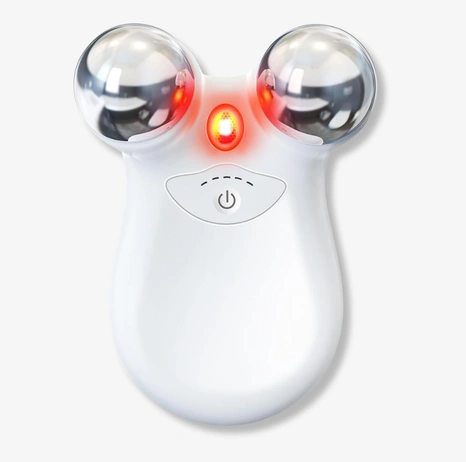
Microcurrent Facial Toning Device
Read More
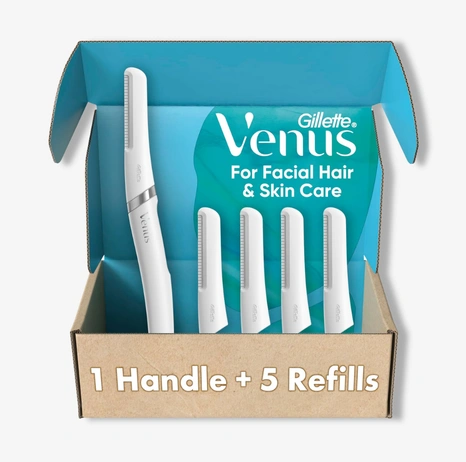
Dermaplaning / Exfoliating Tool
Read More

Gua Sha Stone or Facial Massage Tool
Read More
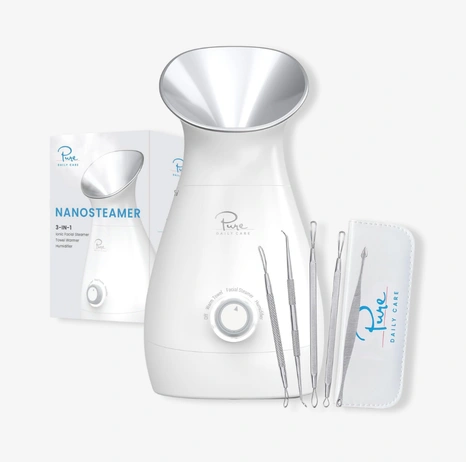
Portable Facial Steamer
Read More
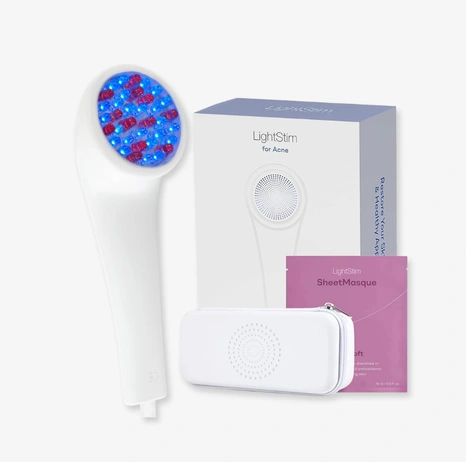
Precision Spot LED or Acne Pen
Read More
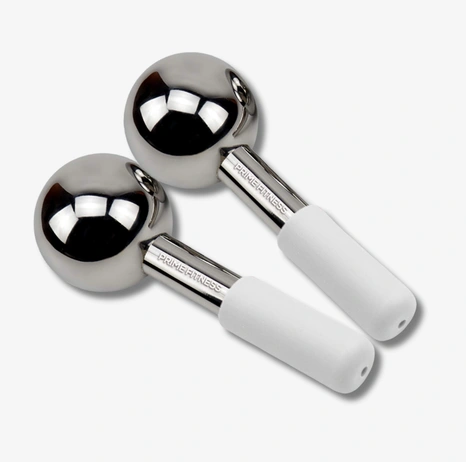
Under‑Eye or Face Cooling Wand/Globe
Read More
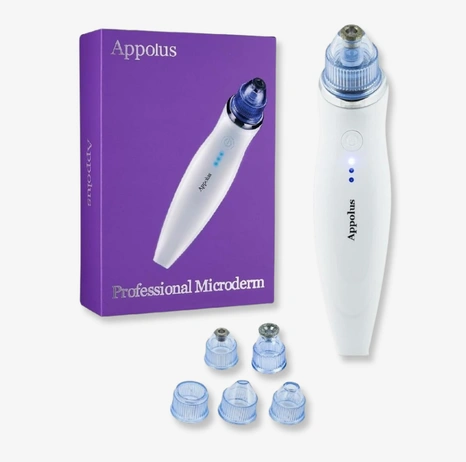
At‑Home Microdermabrasion or Ultrasonic Scrubber
Read More
1. Sonic Facial Cleansing Brush
A sonic cleansing brush uses rapid vibrations and soft bristles or silicone touchpoints to remove dirt, oil, sunscreen, and makeup more effectively than hands alone. In just 60–90 seconds, it helps unclog pores, smooth texture, and prep your skin so serums and creams absorb better.Best for: removing sunscreen, makeup, and pollution before any treatment steps.
2. LED Light Therapy Face Mask (Red/Blue/Combination)
LED masks deliver specific wavelengths of light to the skin. Red light is commonly used to support collagen and target fine lines, while blue light is often used for acne and breakout‑prone skin. Combination masks offer preset 5–10 minute programs you can use while relaxing or scrolling your phone.Best for: fine lines, breakouts, redness, and overall brightness.
3. Microcurrent Facial Toning Device
Microcurrent devices send very low‑level electrical currents through the skin to gently stimulate facial muscles. Used consistently, they can help define contours, support firmness, and give a temporary “lifted” appearance in just a few minutes per session.Best for: early signs of sagging, contouring the jawline and cheekbones.
4. Dermaplaning / Exfoliating Tool
Dermaplaning tools carefully remove peach fuzz and superficial dead skin from the surface. This reveals a smoother canvas for makeup, helps skincare penetrate more evenly, and can instantly enhance glow. Always follow instructions, work on clean, dry skin, and avoid active breakouts.Best for: dull skin, rough texture, and smoother makeup application (with proper safety and hygiene).
5. Gua Sha Stone or Facial Massage Tool
Gua sha and facial massage tools are used to gently glide along the face and neck with oil or serum. They can help with lymphatic drainage, reduce puffiness, and relieve jaw and forehead tension. In 3–5 minutes, they’re ideal for a calming morning or evening ritual.Best for: morning routines, puffiness, tension relief, and a more sculpted look over time.
6. Portable Facial Steamer
A small facial steamer delivers warm mist that temporarily softens pores and loosens debris. Used for 3–5 minutes before masks or extractions, it can make treatments feel more effective. Don’t overuse, especially if you have rosacea, sensitivity, or broken capillaries.Best for: clogged pores and prepping skin for deep‑cleaning masks (with moderation).
7. Precision Spot LED or Acne Pen
Spot LED pens target small areas with concentrated light, often blue or dual‑wavelength LED, to support acne care and reduce the appearance of individual blemishes. Sessions are short, making them easy to tuck into a 10‑minute routine or use as needed.Best for: breakout‑prone areas, stubborn spots, and emergency pimple care.
8. Under‑Eye or Face Cooling Wand/Globe
Cooling wands or globes use chilled metal or glass to soothe and depuff the skin. Gliding them around the eye area and face can quickly reduce puffiness, calm temporary redness, and feel incredibly refreshing.Best for: under‑eye bags, morning swelling, and post‑treatment calming.
9. At‑Home Microdermabrasion or Ultrasonic Scrubber
Microdermabrasion tools and ultrasonic scrubbing devices provide deeper exfoliation or pore cleansing than daily products alone. They should be used sparingly, typically once or twice per week, alongside a gentle routine on other days.Best for: uneven texture, stubborn congestion, and visible pores (used with clear frequency guidelines).
How to Build a 10‑Minute Routine Using These Tools
You don’t need to use every tool daily. Here’s an example 10‑minute framework you can adapt:- 1–2 minutes: Sonic cleansing brush
- Apply a gentle cleanser and use your sonic brush to remove makeup, sunscreen, and impurities.
-
5 minutes: LED mask or microcurrent device
- Choose one primary treatment step per session.
- LED mask for acne, redness, or anti‑aging focus, or microcurrent for lifting and toning.
-
2–3 minutes: Gua sha or cooling wand
- Finish with a quick massage to boost circulation, reduce puffiness, and relax facial muscles.
- Dermaplaning and microdermabrasion once every 1–2 weeks.
- Facial steamer 1–2 times per week, especially before masks or deep‑cleaning nights.
- Spot LED pen whenever breakouts appear, either within your 10‑minute routine or as an extra 2–3 minute step.
- Cleanser → tools (LED/microcurrent/massage) → treatment serum → moisturizer → SPF (daytime).
Tips for Safe & Effective At‑Home Skincare
-
Patch-test first
Try new tools and products on a small area before using across the full face, especially if you have sensitive or reactive skin. -
Don’t over-exfoliate
Avoid stacking strong acids, scrubs, dermaplaning, and microdermabrasion too frequently. Too much exfoliation can damage your skin barrier. -
Clean tools after every use
Rinse or wipe your devices according to instructions to avoid bacteria buildup, which can contribute to breakouts or irritation. -
Stay consistent, not extreme
A gentle, realistic 10-minute routine done most days will give better results than aggressive devices used rarely. -
Know when to seek professional help
If you have rosacea, severe acne, eczema, or other diagnosed skin conditions, consult a dermatologist before adding powered tools to your routine.